Wildlife
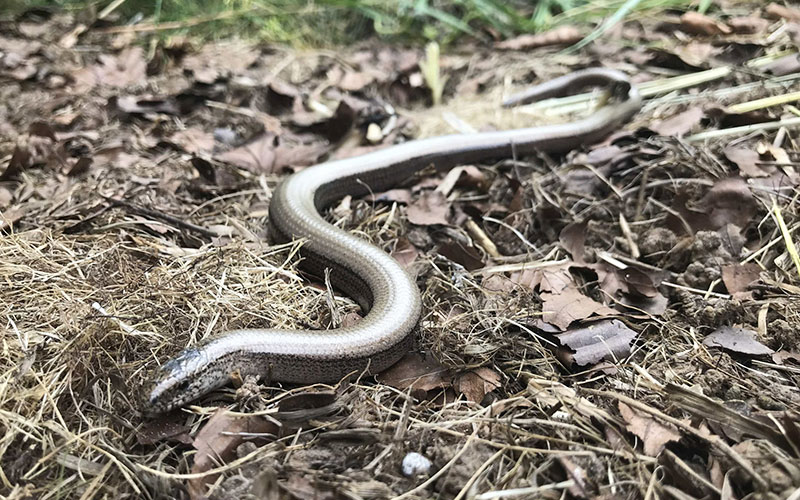
The Estate fields, hedgerows and woodlands provide a refuge as well as food for a range of wildlife including deer, brown hare, badgers and numerous bird species.
The Estate fields, hedgerows and woodlands provide a refuge as well as food for a range of wildlife including deer, brown hare, badgers and numerous bird species.
An Estate neighbour with a special interest in Glow Worms wrote to the Estate in July 2019 saying: ‘ I wanted to express a note of thanks to you for the delayed cutting of the set-aside land north-east of Barwick ford this year. This meant that the glow worms had a full glowing season that extended to the latter half of July and produced a record count (for us) of 35 glowing females on one evening.’
An RSPB survey was carried out during 2011 at Barwick and Arches Hall Farms. This found that several birds commonly seen on the Estate are those categorised Red or Amber in terms of conservation importance by the RSPB.
The Red list criteria includes:
Amber is the next most critical group. Birds in the amber list will be subject to at least one of the relevant factors listed below:
Recent sightings include a pair of Black caps feeding on insects that were on weeds growing up through coppice brush, Goldfinch feeding on groundsel seeds and willow warblers. There have been reports from walkers in Bowles wood of a pair of Spotted fly catchers along with numerous Warblers, Chaffinches and Goldfinches feeding on Thistles. You may also see Turtle Doves, Red kites, Grey Partridge and Mistle thrushes.